What you need to know..
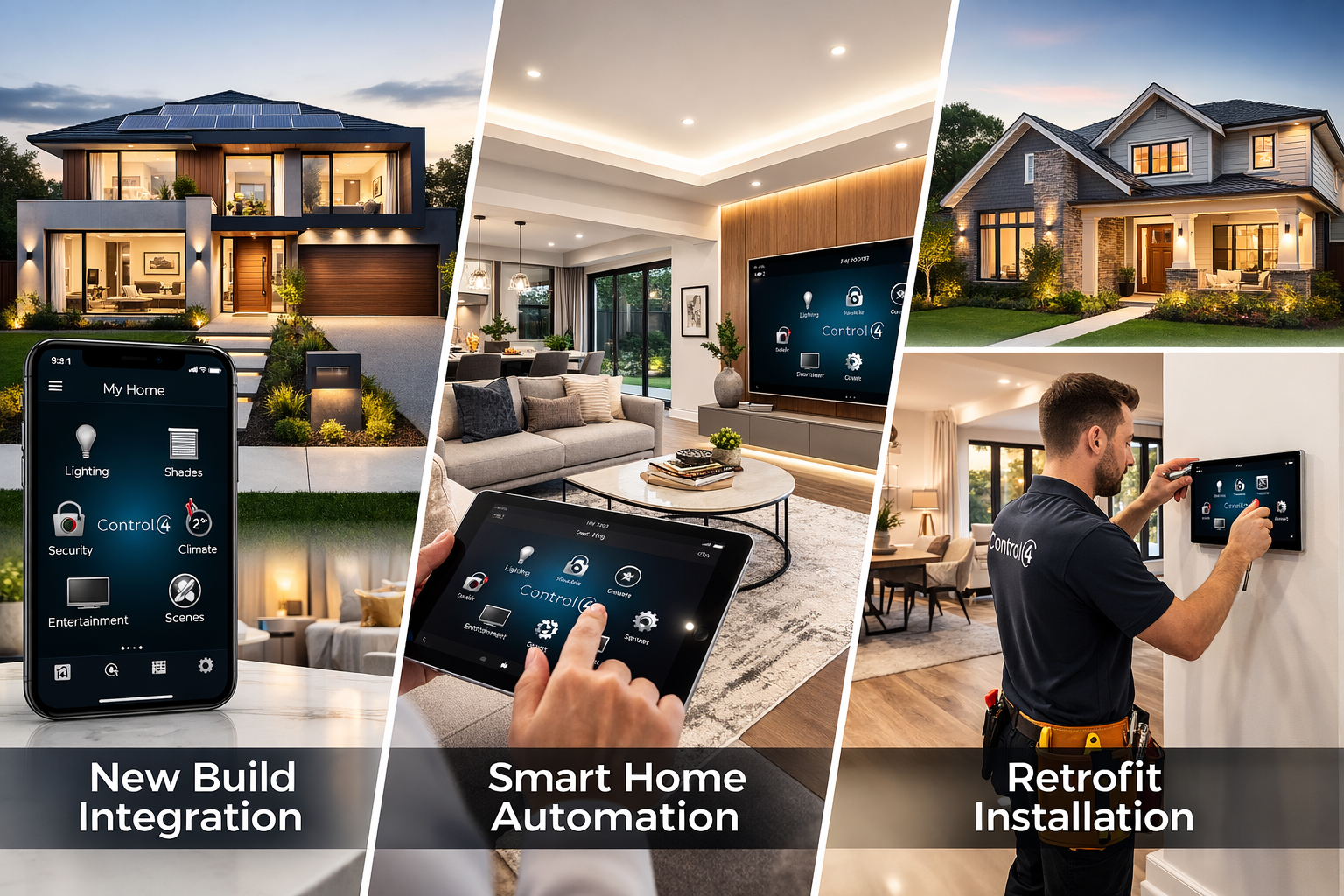
We work on a mix of new-build smart homes and retrofit automation projects, and the approach to each is very different.
Understanding those differences early allows us to design systems that work properly long-term — without unnecessary compromise.
Automation in a New Build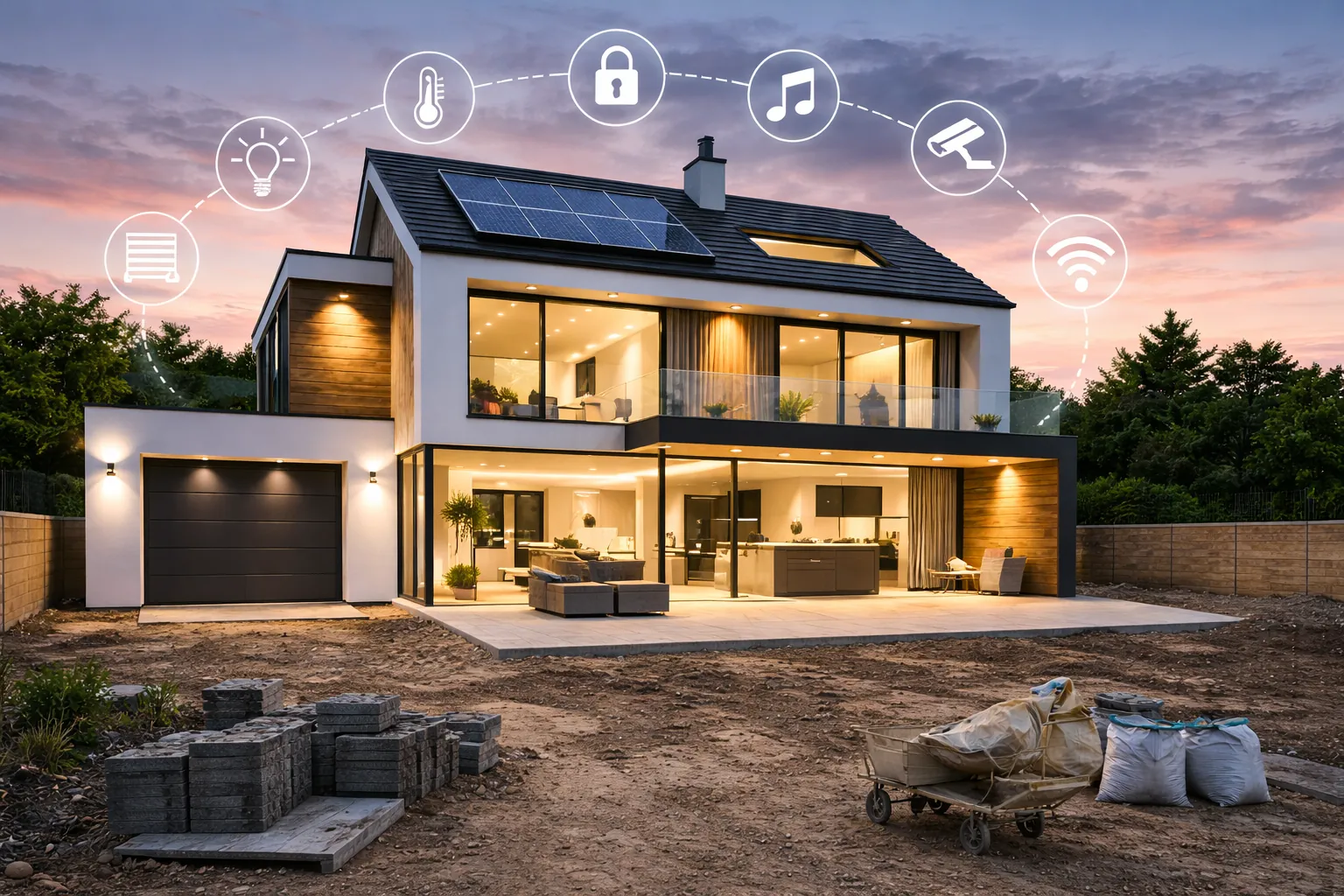
New builds give us the opportunity to design everything correctly from the start.
On new-build projects, we typically implement:
- Full structured cabling throughout the property
- Centralised equipment racks
- Integrated lighting, audio and networking
- Clean, discreet technology with minimal visual impact
This approach allows smart home systems to be scalable, reliable, and future-ready.
Typical Results We Achieve
- Fewer visible devices
- More reliable performance
- Simpler upgrades as technology evolves
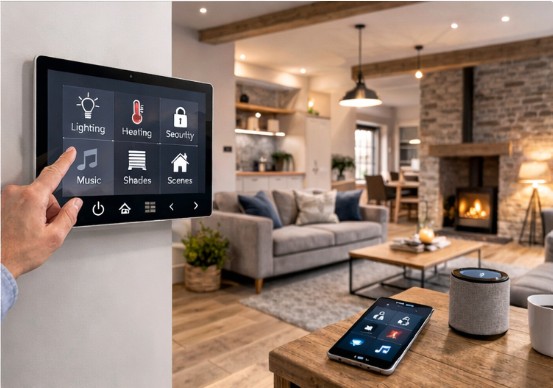
Automation in Existing Homes (Retrofit)
Retrofit automation is extremely common for us — particularly in period and character properties.
Challenges often include:
– Solid brick or stone walls
– Finished interiors
– Limited cable routes
Despite this, we regularly deliver high-performance systems in lived-in homes.
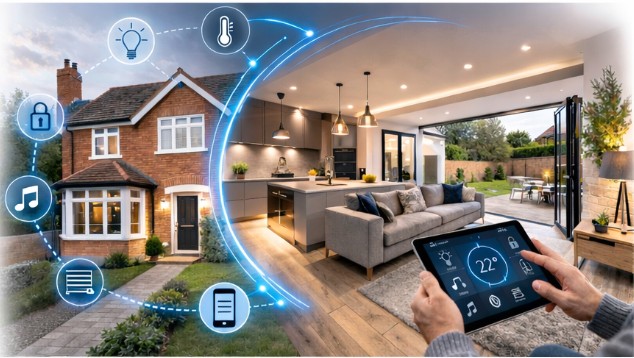 How We Approach Retrofit Projects
Successful retrofits rely on careful planning.
In practice, this means:
- Using existing routes where possible
- Installing discreet in-ceiling or in-wall solutions
- Selecting wireless systems only when they’re genuinely suitable
- Designing automation around how the home is already used
Our goal is always to improve the home without unnecessary disruption
The Key Difference Is Experience
In new builds, automation is designed before walls are finished.
In retrofits, it’s designed around the building itself.
Both require different skill sets — and understanding when to adapt the design is what leads to a successful result.
At Pro Media Solutions, we professionally install Control4 smart home automation in both new build and existing properties.
Contact us today at 0345 505 1760 to discuss how your home can become smart, whether being constructed or already in a finished state.